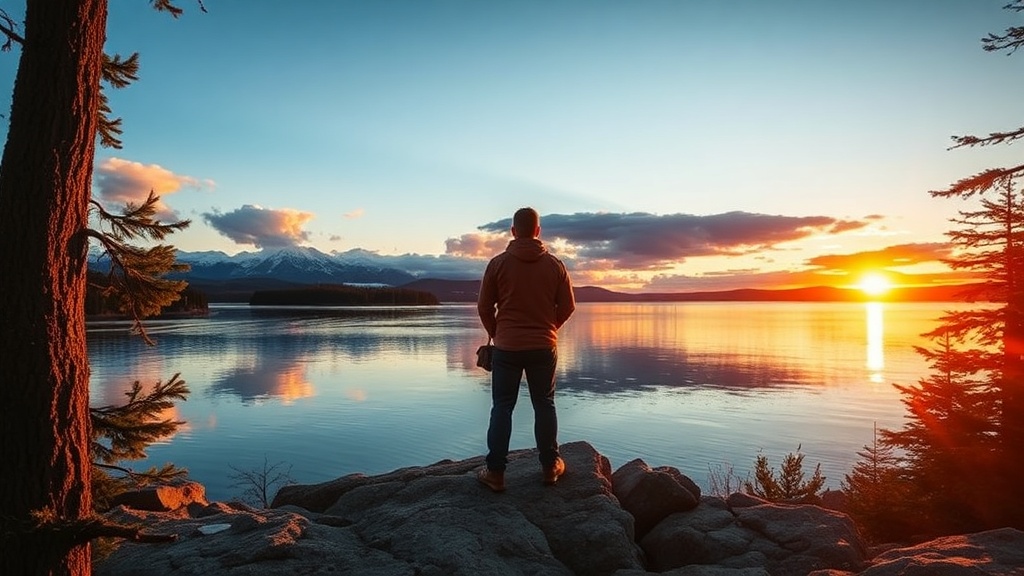
Setting Up a Perfect Sunset Viewpoint at Canoe Bay

A family pulls into a gravel turnout near Canoe Bay just as the sun hits the horizon, only to realize they forgot the chairs, the snacks, and the actual light. They spend the next twenty minutes fumbling with a heavy cooler in the dimming light while the best part of the evening slips away. This guide helps you avoid that exact scenario by detailing how to prep for a flawless evening at one of Shuswap Lake's most scenic spots.
Canoe Bay offers some of the most breathtaking views of the sunset over the water, but the terrain and the sudden temperature drops in the Shuswap can catch you off guard. Getting the setup right means more than just bringing a blanket. It involves choosing the right gear, timing your arrival, and understanding the local environment.
How Do I Find the Best Spot at Canoe Bay?
The best spot at Canoe Bay depends on whether you want total isolation or a bit of social energy near the water's edge. Most people gravitate toward the flatter clearings near the access points, but if you want a truly unobstructed view, you'll want to move about 50 yards away from the main parking area.
If you're looking for a quiet moment, head toward the higher embankments. The elevation provides a better vantage point for watching the light hit the hills across the lake. Just be careful with your footing—the terrain can be a bit uneven if the recent rains have made the dirt soft. (I've seen more than one person slip trying to carry a heavy cooler up a slope!)
For those who prefer a more structured way to relax, the shoreline areas are great for a quick dip before the sun goes down. However, for a dedicated sunset viewing session, the elevated patches offer a much better perspective of the colors. It's a small difference that makes a massive impact on your photos and your experience.
If you're planning a full evening out, you might want to check out these best spots for a lakeside picnic near Shuswap Lake to ensure you have the right food pairings for your outdoor meal.
What Gear Should I Bring for a Sunset Session?
You should prioritize comfort, warmth, and light-management gear to ensure you aren't rushing back to the car the moment the temperature drops.
Even in the height of summer, the breeze off the water can feel quite chilly once the sun dips below the mountains. I always suggest bringing a layer that actually holds heat. A light down jacket, like the Patagonia Nano Puff, is perfect because it's packable and light. You don't want to be shivering through the most beautiful part of the evening because you thought a t-shirt was enough.
Here is a quick checklist of the essentials:
- Seating: Lightweight folding chairs or a thick, waterproof outdoor blanket.
- Lighting: A headlamp or a small lantern (don't rely solely on your phone flashlight—it's too dim for finding your keys in the dark).
- Temperature Control: A heavy fleece or a light windbreaker.
- Food/Drink: A thermos with hot tea or coffee to combat the evening chill.
- Safety: A small first aid kit and insect repellent (the mosquitoes can be relentless near the water).
The key is to bring things that are easy to pack. If you're hiking even a short distance from your car, you don't want to be lugging a heavy wooden chair through the brush. Compact, collapsible gear is your best friend here.
How Do I Prepare for the Temperature Drop?
Prepare by layering your clothing and bringing a hot beverage to maintain your core temperature as the sun sets. The temperature at the lake can drop significantly faster than it does in the nearby residential areas of Salmon Arm.
It's a common mistake to dress for the temperature at 4:00 PM rather than the temperature at 8:30 PM. By the time the "golden hour" hits, the air is moving, and the dampness from the lake makes it feel much cooler than the thermometer suggests. I always keep a dedicated "sunset bag" in my trunk with an extra sweatshirt and a pair of wool socks. It's a cheap way to ensure a good time.
If you're a photographer, you'll also need to consider the temperature's effect on your gear. Rapid temperature changes can cause condensation on your lenses. Keep your camera in a bag until you're ready to shoot to prevent this. You can learn more about the physics of light and atmosphere through Wikipedia's entry on the golden hour to better understand why the colors change so drastically.
| Style | Best For | Required Gear | Pros/Cons |
|---|---|---|---|
| The Shoreline Relaxer | Families & Kids | Blanket, light snacks | Easy access; can be crowded |
| The Elevated Viewer | Photographers | Tripod, hiking shoes | Best views; requires more effort |
| The Quick Look | Commuters | Minimal gear | Fast; limited comfort |
If you're a photographer, don't forget a sturdy tripod. Trying to balance a camera on a rock while the light is fading is a recipe for blurry shots. A stable base is non-negotiable if you want those crisp shots of the Shuswap mountains reflecting in the water.
What Are the Best Snacks for an Outdoor Evening?
Choose easy-to-eat, non-messy finger foods that don't require heavy cutlery or much cleanup. This keeps your setup simple and ensures you aren't fighting with a napkin in the wind.
Think about things that are easy to grab and won't melt or spoil quickly. Cheese, crackers, and some fresh fruit are perfect. If you're feeling more indulgent, a small charcuterie spread is a great way to make the moment feel special. Just remember to pack out everything you bring in—we love our lakes, and we want to keep them beautiful.
For a more substantial meal, you might want to pick up some local treats from seasonal fruit stands or local bakeries before you head out. A fresh loaf of bread and some local honey can make a simple snack feel like a gourmet meal under the stars.
One thing to watch out for: avoid anything too heavy or greasy if you're planning on sitting still for a long time. You don't want to feel sluggish when you're trying to enjoy the peacefulness of the water. The goal is to feel relaxed, not weighed down.
The light changes fast. One minute it's golden, the next it's pink, and then suddenly it's almost dark. Keep an eye on the horizon, not just your phone. The most important part of the experience is being present in the moment, rather than just documenting it for social media.
Steps
- 1
Check the local weather and UV index
- 2
Pack lightweight seating and bug spray
- 3
Arrive early to secure a prime spot