How to Keep Your Salmon Arm Driveway Safe Through Freeze-Thaw Cycles

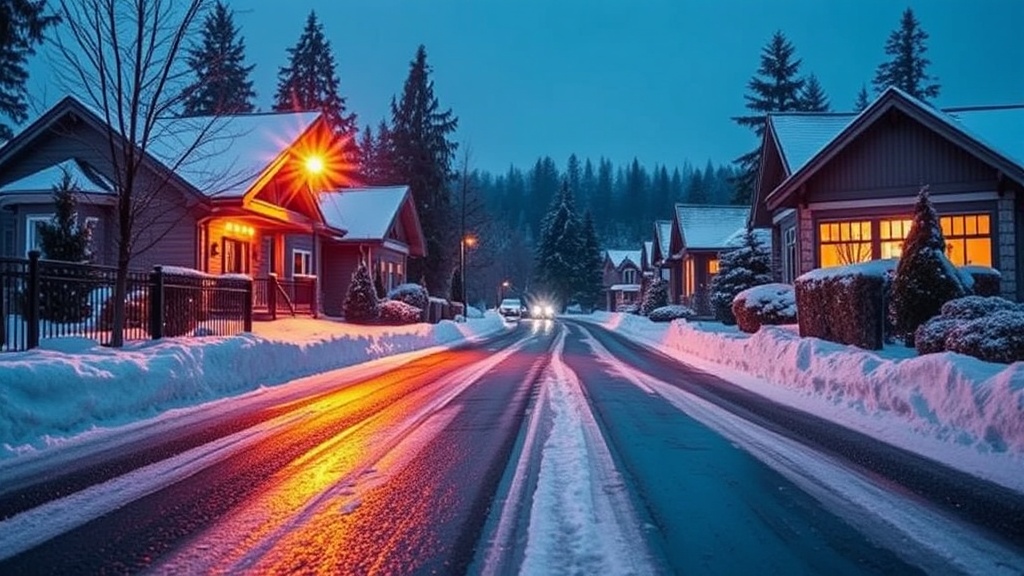
Picture this: it's early March in Salmon Arm, and you're stepping out to grab the mail when your foot hits a patch of black ice you never saw coming. Our city's notorious freeze-thaw cycles—temperatures swinging from just below freezing at night to above zero during sunny afternoons—create some of the slipperiest, most treacherous conditions your driveway will face all year. This isn't just an inconvenience; it's a genuine safety hazard that sends dozens of Salmon Arm residents to the hospital each winter with preventable falls and injuries. This guide walks you through practical, locally-tested strategies to keep your Salmon Arm property safe, accessible, and ice-free through our region's most challenging weather patterns.
What Makes Salmon Arm's Freeze-Thaw Cycles So Destructive?
Our position in the Shuswap region gives Salmon Arm a unique climate fingerprint. We're close enough to the mountains to catch cold air drainage, yet far enough into the valley to experience those deceptive sunny afternoons that hit +5°C even in January. That daily temperature swing—sometimes 15 degrees or more—turns any moisture on your driveway into a freeze-thaw laboratory.
Here's what happens: water seeps into tiny cracks and pores in your concrete or asphalt. When temperatures drop overnight, that water expands as it freezes. The next warm afternoon, it melts and seeps deeper. Repeat this cycle a few dozen times, and you've got heaving, spalling, and those hairline cracks that become gaping fissures by spring. And that's before we even talk about the ice layer forming on the surface each night—sometimes invisible, always dangerous.
The BC Ministry of Transportation tracks these patterns closely, and Salmon Arm consistently reports among the highest frequency of freeze-thaw events in the Southern Interior. Our elevation at roughly 400 metres above sea level, combined with our dry winters (compared to coastal BC), means we don't get the insulating snowpack that protects driveways in colder northern communities. When it's cold here, the freeze bites deep—and when it warms up, the thaw comes fast and hard.
Which De-Icing Products Actually Work in Salmon Arm Conditions?
Walk into Canadian Tire or any hardware store in Salmon Arm and you'll face a wall of de-icing options. Not all are created equal for our specific climate—and some can actually make your driveway problems worse.
Rock salt (sodium chloride) is cheap and widely available, but it stops working effectively around -10°C. Since Salmon Arm regularly sees temperatures drop below that threshold during cold snaps, you'll get partial melting that refreezes into slick, dangerous ice. Worse, salt accelerates concrete deterioration. Those freeze-thaw cycles we mentioned? Salt lowers the freezing point of water inside your concrete, increasing the number of freeze-thaw cycles the material endures. That's a recipe for spalling and premature replacement.
Calcium chloride works better for our climate—effective down to about -25°C and less damaging to concrete. It generates exothermic heat as it dissolves, actually helping melt ice rather than just preventing refreezing. The downside? It's pricier, and you'll want to apply it sparingly near landscaping since it can harm plants and soil chemistry.
Magnesium chloride sits somewhere in between—less corrosive than calcium chloride, effective to roughly -15°C, and generally safer for pets and vegetation. For most Salmon Arm homeowners, a blend approach works best: calcium chloride for severe cold snaps and heavy ice buildup, magnesium chloride for regular maintenance, and good old-fashioned sand or grit for traction during milder periods when chemical melting isn't necessary.
Here's a local tip: the Salmon Arm Recreation Centre uses potassium chloride on their walkways—a middle-ground option that's less harsh than calcium but more effective than salt in true cold. It's worth considering if you have pets who walk on your driveway regularly.
How Should I Prepare My Driveway Before the First Freeze Hits?
Prevention beats reaction every time—and in Salmon Arm, that means late October preparation before those November cold snaps arrive. Start with a thorough cleaning: pressure wash your driveway to remove oil, dirt, and organic matter that traps moisture. Any existing cracks need sealing before water can infiltrate them. Use a flexible concrete caulk for small cracks, or call in a professional for asphalt repairs larger than a quarter-inch.
Sealcoating asphalt driveways every 2-3 years creates a waterproof barrier that prevents moisture penetration. For concrete, a penetrating silane or siloxane sealer works best in our climate—it doesn't change the surface appearance but chemically repels water. Apply these in dry conditions when temperatures stay above 10°C for 24 hours, which typically means completing this work by mid-October in Salmon Arm.
Check your drainage. Water pooling on your driveway surface is enemy number one during freeze-thaw cycles. Ensure downspouts direct water away from the driveway, and consider adding a slight slope or channel if you notice persistent puddles. The Shuswap region's clay-heavy soils don't drain quickly, so that water sits—and freezes—if you don't give it somewhere else to go.
Finally, stock your supplies before the rush. Local retailers like Peavey Mart on the Trans-Canada Highway often sell out of ice melt by mid-December when the first serious cold snap hits. Buy your de-icing products in November, and store them in a dry, accessible location—you'll need them sooner than you think.
What's the Best Way to Remove Ice Without Damaging the Surface?
When ice does form—and it will—how you remove it matters as much as how you prevent it. Metal shovels might seem sturdy, but they'll scrape and scar both asphalt and concrete surfaces, creating the exact imperfections where water will collect and refreeze. Invest in a high-quality plastic or rubber-edged snow shovel, and use it frequently during mixed precipitation events before ice can bond to the surface.
For thin ice layers, a de-icing chemical applied the night before a warm afternoon can work wonders. The product penetrates the ice, and the natural warming does the heavy lifting of melting it away. For thicker ice—those stubborn patches that form in shaded areas or where snow piles melt and refreeze—you'll need mechanical removal.
Ice choppers and picks seem satisfying, but they're brutal on driveway surfaces. Instead, try pouring hot (not boiling) water on stubborn spots, then immediately shoveling away the slush before it refreezes. Yes, this requires timing—you need to catch that water before temperatures drop again—but it's far gentler than hacking at ice with metal tools.
Snowblowers with rubber augers can help during active weather, but be cautious about where you discharge the snow. Piling it where it'll melt onto your driveway just creates tomorrow's ice problem. Aim for areas where meltwater can drain away from traffic surfaces, ideally onto permeable ground or into areas where you don't walk or drive.
When Is It Time to Call a Professional for Driveway Repairs?
Some damage goes beyond DIY fixes—and knowing when to call for help can save you money long-term. In Salmon Arm, where our freeze-thaw cycles are particularly aggressive, small cracks become major structural problems faster than in milder climates.
Call a paving contractor if you notice alligator cracking (interconnected cracks resembling alligator skin), significant heaving or sinking, or drainage issues that persist despite your best efforts. These indicate problems with the base layer beneath your driveway—issues that no amount of surface sealing will fix. Local companies like Shuswap Paving or Total Asphalt understand our specific soil conditions and drainage challenges, and they'll build solutions that last.
Concrete spalling—surface flaking and pitting—can sometimes be resurfaced if caught early. A thin concrete overlay or specialized repair compound can restore appearance and protection without full replacement. But if the structural integrity is compromised (you can see rebar, or chunks are breaking away), replacement becomes the only viable option.
The investment in professional repair pays dividends in safety and longevity. A properly installed and maintained driveway in Salmon Arm can last 20-30 years. One that's neglected through harsh winters? You might face replacement in half that time—and at significantly higher cost than preventive maintenance.
Building Safety Into Your Daily Routine
Keeping your driveway safe isn't a one-time task—it's a habit. During freeze-thaw season (roughly November through March in Salmon Arm), make a morning check part of your routine. Look for overnight ice formation, especially in shaded areas or where snow has been melting. A quick scatter of sand or de-icer takes thirty seconds and prevents falls.
Watch the weather forecast. When Environment Canada predicts those classic Salmon Arm patterns—clear cold nights followed by sunny afternoons—anticipate ice formation. Apply preventive de-icer the evening before, focusing on high-traffic areas and slopes where water naturally flows and pools.
Finally, remember that your driveway connects to sidewalks and public pathways. Keeping it clear isn't just about your safety—it's about protecting delivery drivers, visitors, and neighbours who might walk across your property. In a tight-knit community like ours, that consideration for others is what makes Salmon Arm the place we choose to call home.